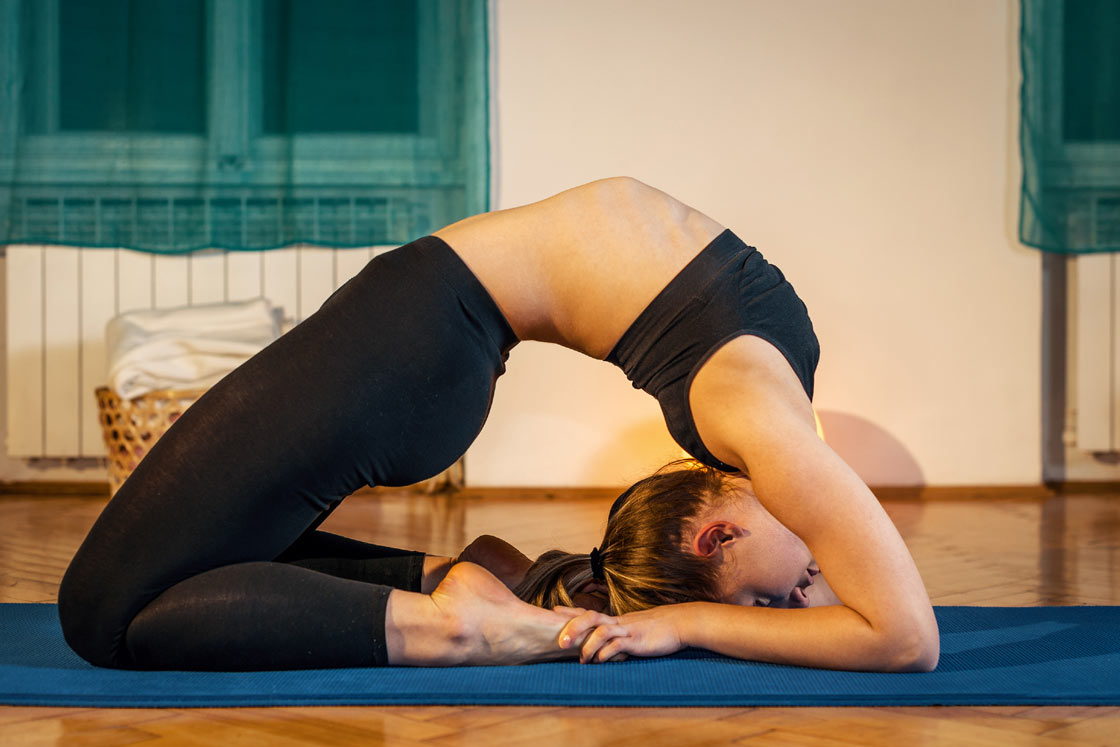
Kapotasana How To. The idea is the fingers reach for the heels or at least the feet, where they can latch on and spider crawl their way to the heels. This is the perfect pose for opening up your hips and making them more flexible.
Pigeon Pose (Kapotasana) How to Do, Benefits & Precautions Fitsri from www.fitsri.com
Kapotasana increases the elasticity of your spine, calf muscles, arms, shoulders, etc. Kapotasana is the third of the “basic backbends”. Then, lift the pelvic floor, stretch a little more and grab the.
Start In Table Top Position.
Lower into a gentle pigeon shape. 4 different ways to kapotasana or pigeon pose. This asana is a half split with one leg stretched back so the top of the foot presses into the mat and the other leg is bent in front with the calf resting on the ground.
To Make Sure You Are Not Collapsing In Your Lower Spine, Keep Hips Forward & Focus On Bending The Whole Spine Evenly.
Kapotasana is an strong hip opener that improves flexibility throughout the body. Kapotasana increases the elasticity of your spine, calf muscles, arms, shoulders, etc. Yoga pigeon pose benefits (kapotasana benefits) pigeon pose is stretching hip flexors present at the front of pelvis and thighs with hi rotators at the side/back of your pelvis.
It Increases The Flexibility And Opens The Hips Area, In The Meantime Fortifying The Back,.
The outside of your right shin rests on the floor. Basic here is not to be confused with ‘easy.’ essentially, it means that kapotasana is the foundation for many other backbend variations. Root down into the base of the big toes and the heels while engaging your quadriceps.
For Kapotasana How To pictures, You can find many ideas on the topic kapotasana, and many more on the internet, but in the post of Kapotasana How To we have tried to select the best visual idea about yoga poses You also can look for more ideas on yoga poses category apart from the topic Kapotasana How To.